


New Zealand Certificate/Diploma in Health & Wellbeing (Level 4 and Level 5)
Health and Wellbeing (NZQA Level 4 and Level 5)
A comprehensive one-year full-time programme comprising unit standards from the National Qualifications Framework at Level 4.
Delivered in clusters, this qualification offers both classroom-based learning and practical work experience (200 hours), where students can apply acquired practice skills in real-world settings.
- Full-time programme, Monday to Friday
- Class hours: 9:00am to 1:30pm (excluding school holidays)
- Includes self-directed learning
- Fees $4414.00 **subject to change
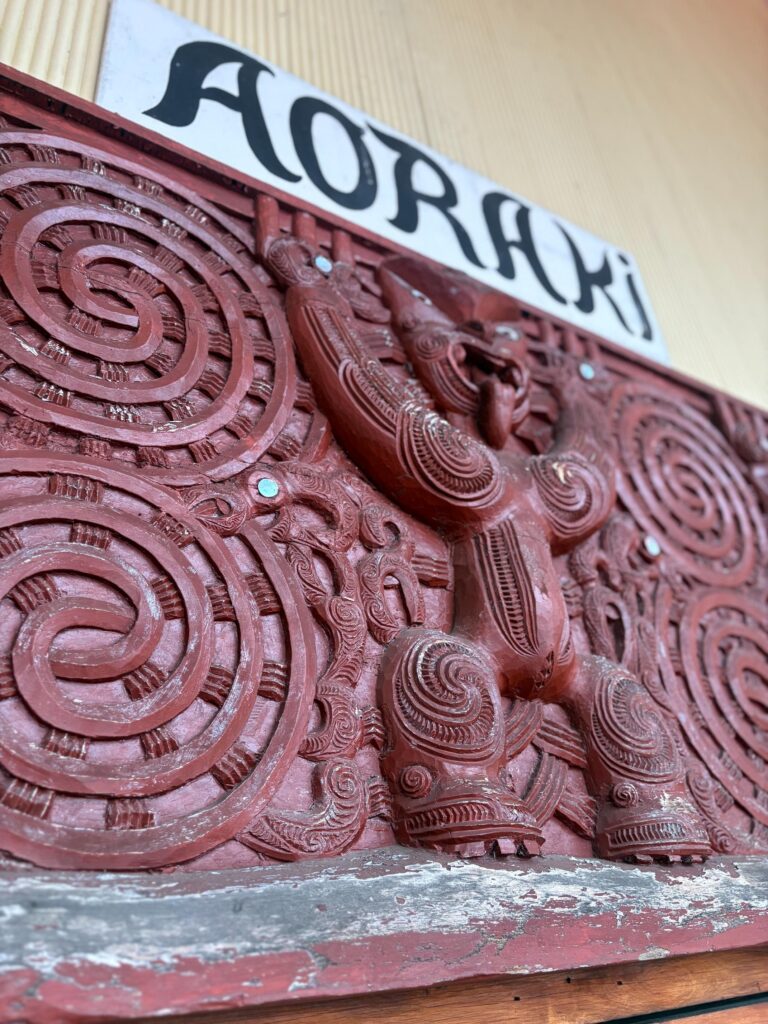
Our Kaupapa
What do our students learn about?
- Te Tiriti o Waitangi, Aotearoa history, colonisation
- Accessing community networks, resources, and support
- Working with victims of abuse, neglect, and violence
- Self awareness, self-care, self reflection, leadership
- Cultural diversity and engaging with tangata whenua
- Intake, assessment, coordinating hui, service philosophies
Social and Community Services
New Zealand Diploma in Health & Wellbeing (Level 5)
After successfully completing the Level 4 certificate, students can enroll on the second year of the programme at Level 5. Students will build on their existing knowledge and gain deeper insights through professional placements, where they develop their own integrated practice model.
A focus of this year is on applying theory to social services and community environments, while cultivating professional values and ethical practice. The programme includes 960 hours of professional placement undertaken within 2 community agencies.
- Full-time programme
- Class hours: 9:00am to 1:30pm, Monday & Tuesday
- Includes placement hours, Wednesday, Thursday, Friday
- Fees $4431.00 **subject to change
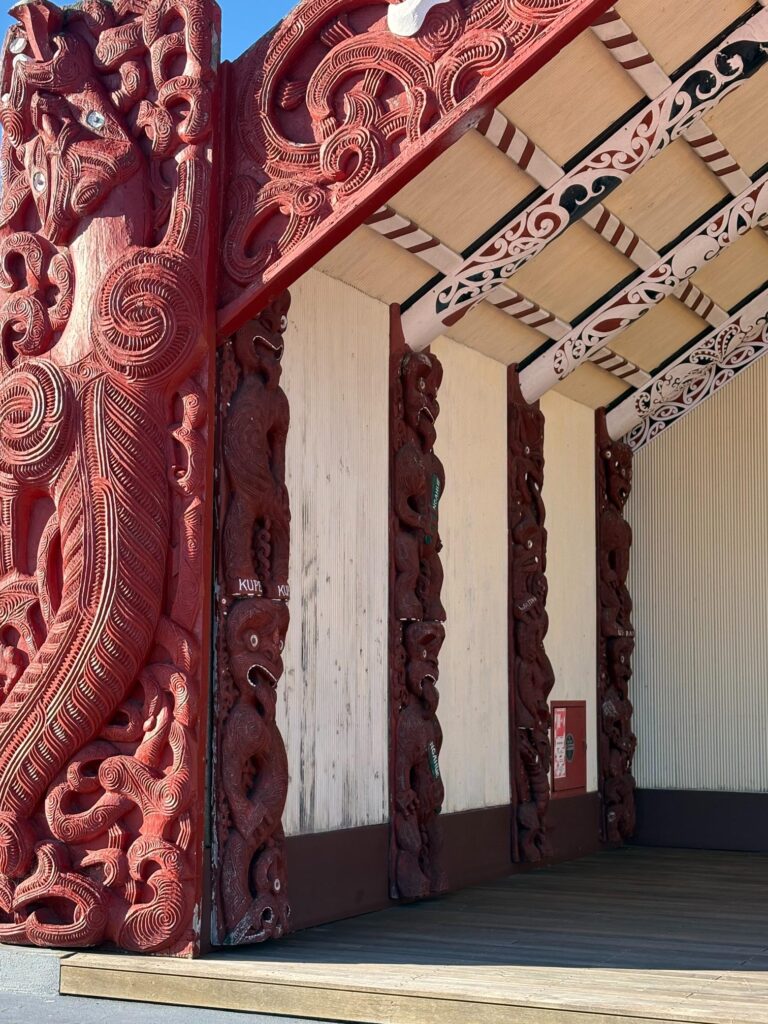
Our Kaupapa
What do our students learn about?
- Roles and functions of social services workers
- Community issues, needs, structures, and resources
- Service provision for all types of clients
- Whakapapa, te reo Māori use in social services
- Social policies, continuous improvement in social services
- Integrated practice theory for community work
Graduate Profile
Graduates of this qualification will be able to:
- Engage and communicate with individuals, families, and whānau in a respectful manner, considering their socio-cultural identity and experiences.
- Understand and apply the history of Māori as tangata whenua and the interconnectedness of person-whānau in health and wellbeing settings.
- Demonstrate self-awareness, reflective practice, and personal leadership in health and wellbeing roles.
- Contribute to a culture of professionalism, safety, and quality within health and wellbeing organisations.
- Understand the purpose and impact of their role within the broader community and social services sector.
- Work collaboratively with individuals, families, and whānau in social service settings to promote autonomy, reduce vulnerability, and build resilience.
Graduates can pursue roles in areas such as family violence support, social justice advocacy, community development, and refugee support. They will possess the essential skills, knowledge, and attitudes required to provide effective social services to individuals, groups, and communities.
Note: Graduates are not eligible for Social Worker registration.
Entry Requirements
While prior experience in a social agency or study in social services is preferred, it is not mandatory. Admission to the programme will be based on a discussion assessing the following:
- Ability to use life experiences as learning opportunities
- Capacity to integrate life experiences for personal growth
- Empathy development through life experiences
- Cultural sensitivity and ability to work cross-culturally
Ideal applicants should have:
- The ability or potential to study at the required programme level
- Literacy and numeracy skills appropriate for the programme
- Basic computer skills to support learning and assessment activities
Applicants must undergo a police check before being accepted, as this impacts second-year placements. An interview will be part of the selection process.
Applicants must also be free from health or personal issues that could affect their participation or performance as a social services or community worker.
Course information
Location:
Te Rūnanga o Ngā Maata Waka
Kahikatea Building
Ngā Hau e Whā National Marae
250 Pages Road, Wainoni, Christchurch.
For more information please get in touch now and talk to us about how to enrol.
Referral Process
Accessing our services here at Te Rūnanga o Ngā Maata Waka is simple.
Individuals can self-refer by filling out our online form below
or calling 03 382 6628 for more information.